When a small apartment begins to feel crowded, our instinct is usually to search for more furniture, install bigger shelving units, or squeeze storage organizers into every visible nook. But more storage pieces often make a compact room feel even tighter.
The core insight that separates successful small-space living from constant clutter is simple: an apartment rarely needs more storage capacity—it needs better definition of the space it already has.
Most apartments have small, overlooked pockets of area that sit completely unused simply because they lack an assigned purpose. At the same time, filling every empty gap creates a visual prison where you can barely walk or breathe. Effective small apartment storage ideas are not about packing every square inch to the brim. They are about discovering one genuinely useful micro-space, giving it one specific job, and letting the rest of the room breathe.
Why Small Apartments Have More Usable Space Than They Seem
To use an apartment intelligently, you must understand the distinction between different types of space in a room. Not all air or floor area serves the same function:
- Empty Space: Open physical area that gives your eyes a rest and allows natural light to travel across the room.
- Usable Space: Areas that can comfortably host an item or organizer without disrupting your daily routine.
- Inaccessible Space: Awkward heights or extreme depths that require ladders, contortions, or heavy lifting to reach.
- Circulation Space: Essential pathways needed for walking, opening doors, pulling out chairs, and moving freely.
- Genuinely Wasted Space: Overlooked, accessible pockets situated right near active zones that serve neither aesthetic nor functional purposes.
Crucially, empty space is not an error to be corrected. Generous circulation space and visual breathing room are what keep a 500-square-foot home calm and livable. The goal is to separate genuinely wasted micro-space from the essential circulation paths that make your home comfortable.
What Counts as "Dead Space" in a Small Apartment?
In small apartment living, "dead space" refers to any stable, accessible architectural or furniture boundary that currently does nothing to support your everyday routine.
Rather than thinking of massive empty walls, look for subtle micro-zones:
- Narrow gaps beside furniture: The 6-inch gap between a sofa side and an end wall, or between a desk and a bookcase.
- Unused low corners: Corner footprints that sit outside natural foot traffic lines.
- Spaces beneath suitable furniture: Protected clear height under elevated bed frames, sofas, or media consoles.
- Boundaries beside existing storage: The vertical side of a wardrobe, pantry cabinet, or nightstand.
- Awkward architectural pockets: Shallow alcoves created by structural pillars, ductwork soffits, or radiator setbacks.
You do not need a list of 100 theoretical hidden storage spots. You only need to identify one specific, friction-free pocket in your living area that could solve a real, recurring headache.
The 5-Minute Dead-Space Test
When you want to improve storage without creating clutter, you do not need an exhausting weekend-long overhaul. Instead, run this simple 4-step framework:
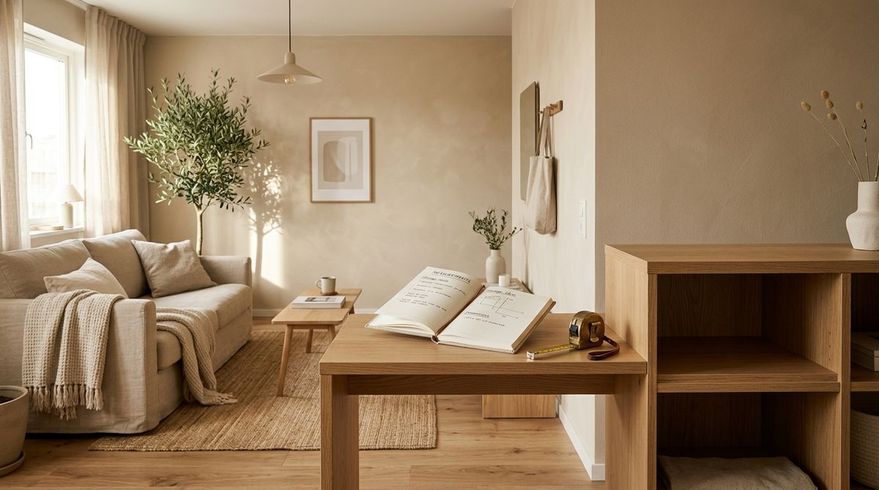
SCAN → CLAIM → FIT → RESET
This systematic method prevents overbuilding. It guides you from spotting an unassigned pocket to testing its utility, ensuring that your solution remains easy to use and even easier to maintain.
01 — SCAN: Look for Overlooked Pockets
The first step is visual observation. Stand in the center of one room and scan the perimeter with a critical eye. Focus on the edges and lower profiles of your furniture rather than open walls.
Look specifically for:
- Gaps between bulky furniture pieces and structural walls.
- Unused vertical sides of dressers, desks, and kitchen islands.
- Protected clearance beneath raised frames.
- Shallow recesses behind open room doors or beside armchairs.
Just as importantly, know what NOT to count as dead space:
- Walking paths: Any corridor where shoulders or hips pass regularly.
- Door-swing arcs: Space needed for room doors, closet bi-folds, or cabinet doors to swing open fully.
- Pull-out clearances: Space required to slide out drawers or pull back dining chairs comfortably.
- Awkward or dangerous reaches: High spots directly above delicate fixtures or areas requiring balancing acts.
When evaluating hidden opportunities throughout your layout, our guide on 6 hidden storage spaces you're probably missing in a small apartment provides a detailed breakdown of overlooked physical zones across different rooms.
02 — CLAIM: Give One Space One Useful Job
An empty pocket becomes useful only when it solves an actual everyday problem. Do not find an empty corner and decide to "store miscellaneous things" there. Vague storage intentions quickly devolve into dust-gathering junk piles.
Instead, pair one specific pocket with one specific, homeless item:
- The Migrating Item: An object that constantly ends up on the kitchen counter or coffee table because it lacks a permanent home (e.g., your laptop charger, yoga mat, or current reading book).
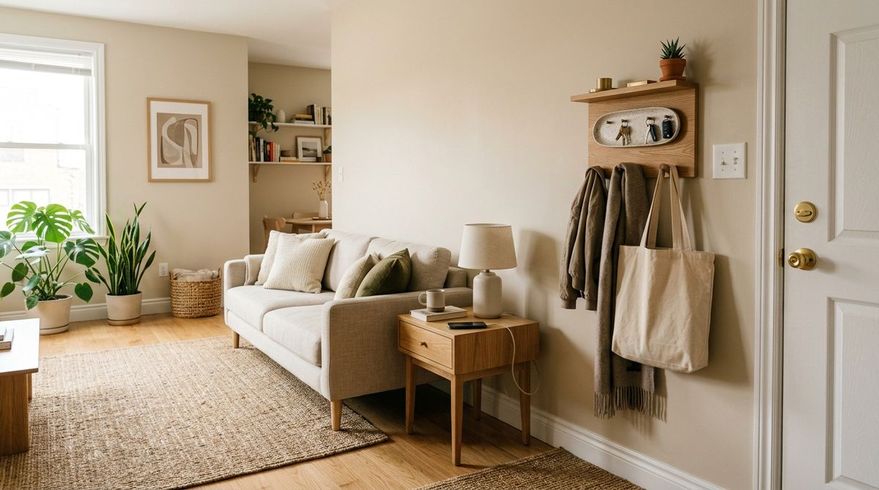
- The Task Bundle: A small collection of items used together for one specific ritual (e.g., lint roller and shoe horn near the entryway).
- The Overflow Item: Extra paper towels or spare linens that crowd your primary kitchen or bathroom cabinets.
Assigning a single, strict job to a space gives it purpose and makes it instantly obvious whether the solution is functioning.
03 — FIT: Make the Solution Respect the Room
Once you have identified a space and assigned its job, the physical solution must fit the room naturally. A storage solution that technically holds your items but obstructs movement or requires complex maneuvering is a failure.
Evaluate your proposed solution against real living criteria:
- Circulation: Can you walk past without turning sideways or stubbing your toe?
- Ergonomic Access: Can you retrieve and return the item in under three seconds with one hand?
- Visual Weight: Does the solution blend with existing furniture, or does it scream "plastic organizer"?
- Renter-Friendliness: Can it be set up and removed without damaging paint, trim, or floors?
For example, if your bedside table is constantly overflowing with nighttime reading materials, phones, and glasses, adding a secondary bulky table would choke the walkway beside your mattress. A low-profile, zero-footprint hanging organizer slips cleanly under the mattress edge, claiming the dead space alongside the bed frame without taking up an inch of floor area.
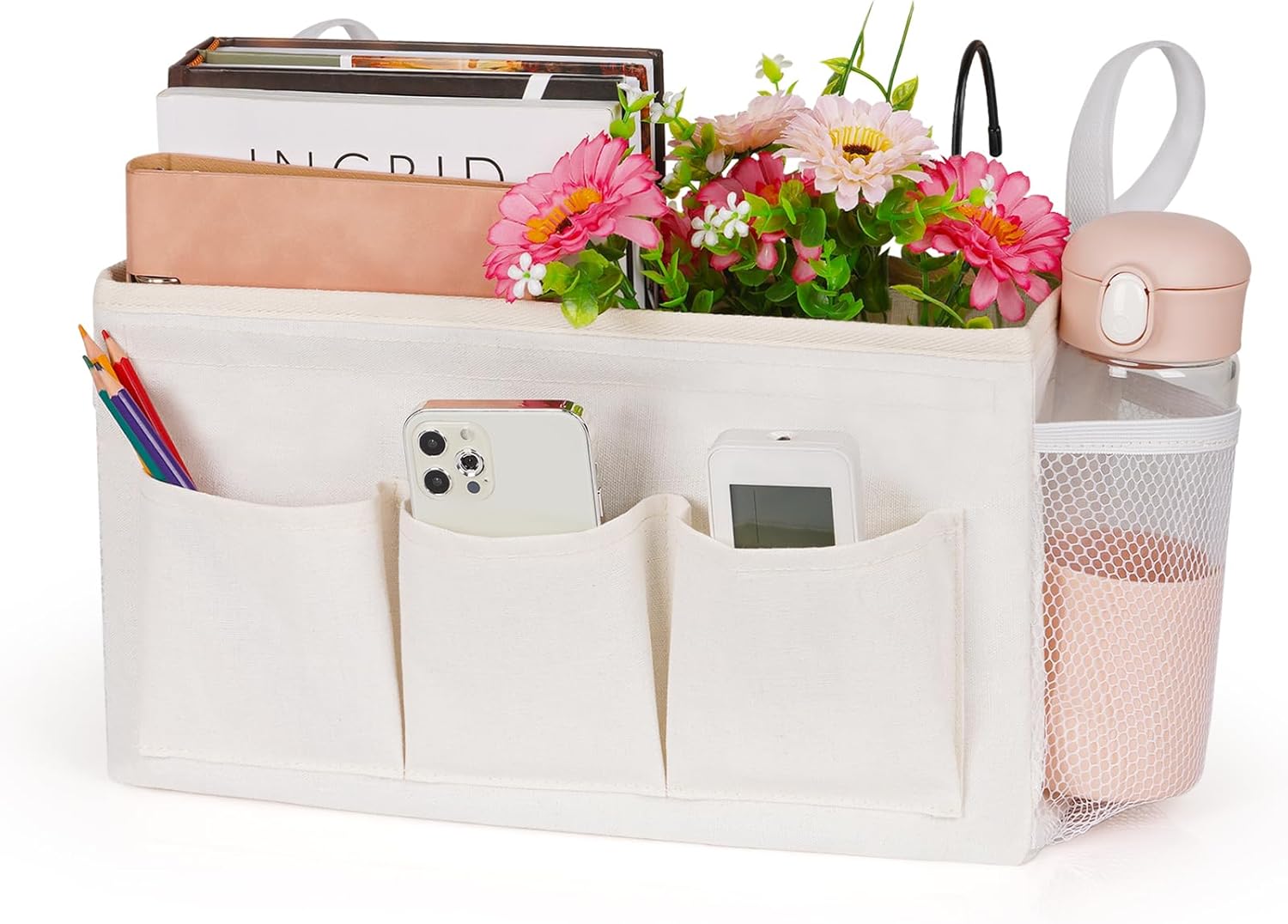
Bedside Caddy Organizer
Solution: This durable felt organizer slips securely under your mattress to claim dead vertical side space, keeping essentials at arm's reach without occupying floor space.
- Zero floor footprint preserves bedroom walking paths
- Reinforced flap locks firmly under standard mattresses
- Multiple divided pockets for books, tablets, and chargers
When You Should NOT Use Dead Space for Storage
Knowing when to leave an empty space untouched is just as crucial as knowing how to use it. Many apartments feel claustrophobic not because they lack square footage, but because every wall and surface has been covered with organizers.
Leave an empty space alone if using it:
- Forces awkward body mechanics: If you must bend at an odd angle or reach behind fragile decor to grab something, the system will fail.
- Complicates routine cleaning: If placing a box or cart on the floor turns simple vacuuming or sweeping into an obstacle course, the friction outweighs the storage benefit.
- Compromises natural light: Stacking items near windows or tall furniture edges that block light reflections makes rooms feel smaller and darker.
- Destroys visual breathing room: A blank wall segment or clean furniture boundary creates contrast, making the pieces around it look intentional rather than cramped.
Falling into the trap of over-filling every open gap is one of the 5 small apartment storage mistakes that cost you valuable space and make compact floor plans feel chaotic.
Renter-Friendly Ways to Use Small Spaces Without Overbuilding
When you decide an overlooked pocket is genuinely worth claiming, choose lightweight, flexible solutions that don't require structural alterations or permanent mounting:
- Slim Freestanding Tiered Carts: Ultra-narrow rolling organizers (often 5 to 7 inches wide) that slide effortlessly between laundry appliances, bathroom vanities, or refrigerator sides.
- Multi-Functional Concealed Footprints: Furniture pieces that conceal high-volume storage inside seating or footrest footprints you already use every day.
- Low-Profile Under-Furniture Bins: Dust-sealed, zippered containers that make intentional use of the space beneath a raised bed or sofa without visual spillover.
- Non-Damaging Adhesive Hooks & Rails: Shallow hanging solutions placed strictly on the interior faces of cabinet doors or inside wardrobes.
For a curated collection of renter-friendly tools that leverage vertical and low-profile dimensions without permanent renovation, explore our guide to 7 tiny apartment storage upgrades that instantly create more space.
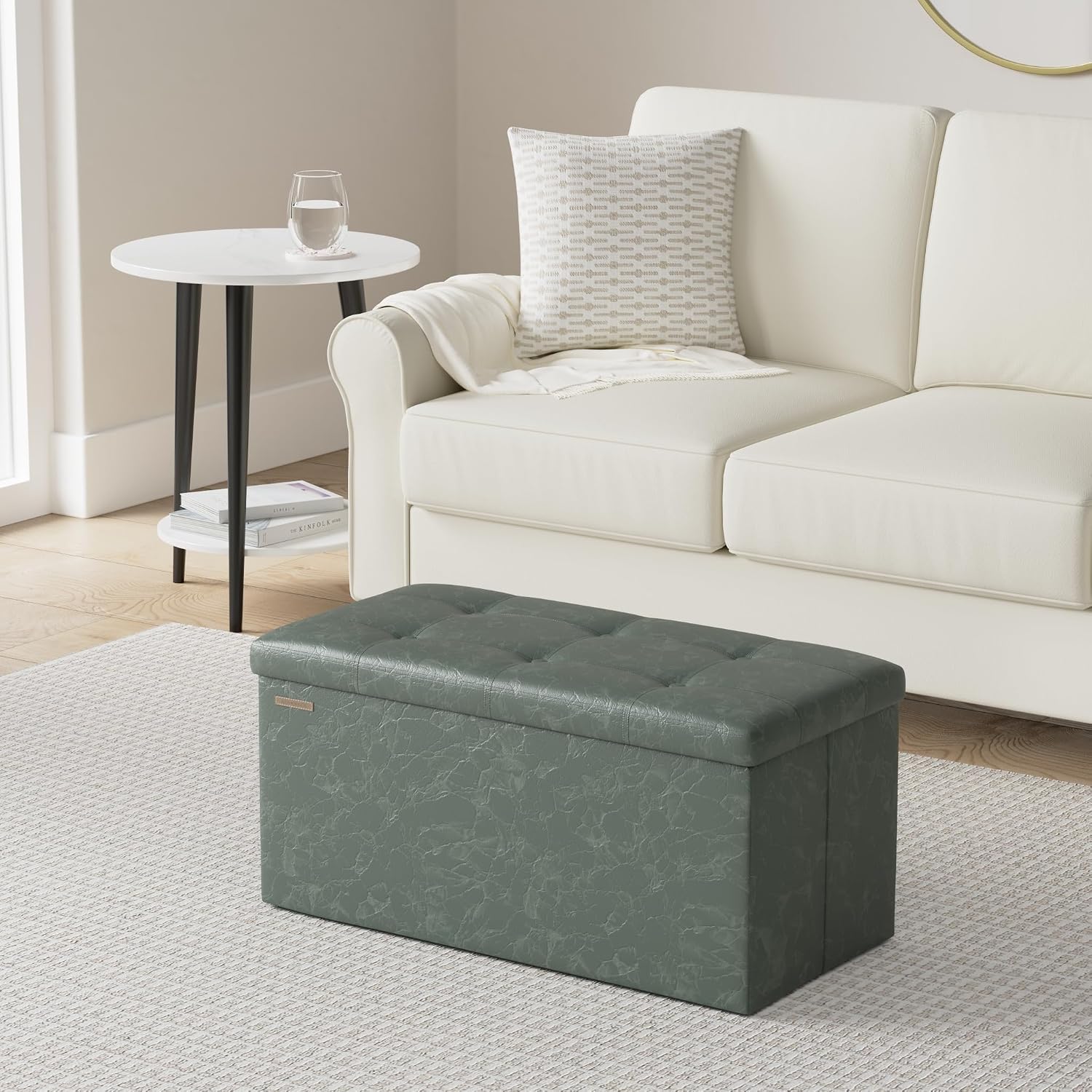
Folding Storage Ottoman Bench
Solution: A structured, multi-functional ottoman that acts as a footrest or bench while turning dead floor footprint into a 120-liter hidden trunk.
- Dual-purpose utility eliminates the need for separate storage chests
- Supports up to 660 lbs of static seating weight
- Collapses flat in seconds if floor space is needed for entertaining
How to Decide What Belongs in an Overlooked Space
Before moving any item into a newly claimed pocket, run it through this 6-question decision filter:
- Do I use this item regularly? Frequently used items belong near point-of-use; seasonal items belong in deeper, protected storage.
- Is this item currently homeless or inconveniently stored? Only assign space to items that currently cause daily friction.
- Does this location make access faster? If retrieving the item takes longer in the new spot, find another home.
- Can I return the item here effortlessly? If putting it away requires moving two other objects, clutter will quickly return.
- Does the solution preserve clear walkways? Normal movement throughout the room must remain 100% unobstructed.
- Will this system still make sense 30 days from now? Ensure the system reflects your genuine lifestyle habits rather than a fleeting organizing mood.
The 5-Minute Apartment Storage Reset
To put this educational framework into immediate practice, take just five minutes today to complete one focused micro-upgrade:
✓ Scan one room: Pick your living room, bedroom, or entryway.
✓ Identify one overlooked pocket: Find a single narrow gap, unassigned corner, or under-utilized boundary.
✓ Choose one problem it can solve: Pick one specific item that consistently causes clutter on your main surfaces.
✓ Test a practical, non-invasive fit: Place a slim basket, caddy, or low-profile organizer into the pocket.
✓ Stop immediately: Once that single problem is solved, stop. Do not move on to fill five other spaces.
How to Maintain a Micro-Space Storage System
Once you assign an overlooked pocket a job, maintaining it requires very little effort if you follow basic organizational hygiene:
- Protect the Single-Job Rule: If a pocket was claimed for gym gear, never allow mail, charging cables, or snacks to migrate into it.
- Audit for Clutter Creep: Check micro-spaces monthly to ensure secondary items haven't quietly accumulated around them.
- Reassess If Friction Emerges: If you find yourself consistently dumping items next to the organizer instead of inside it, the barrier to return is too high. Simplify or remove the setup.
- Practice Consistent Daily Habits: Sustaining an organized home relies on basic daily routines. Our guide to 4 storage habits clutter-free renters swear by outlines the low-effort systems that keep small spaces pristine effortlessly.
The Rule: Don't Fill Every Empty Space
The golden rule of small apartment living is simple:
"Don't organize every empty space. Give one overlooked space one useful job."
A functional, beautiful apartment is not one where every cubic inch is packed with bins, boxes, and organizers. It is a home where open walkways allow seamless movement, main surfaces remain clean and clear, and your everyday essentials have simple, predictable places to rest. By focusing on intentional micro-space discovery rather than maximum storage density, you create a living space that feels calm, spacious, and effortless to enjoy.